
“Will the Samsung Electronics stock I’m holding actually go up once the strike ends?” That’s the most common question I see in stock communities these days. A tentative agreement was reached on May 20, 2026, but with the possibility that the strike could reignite depending on the union members’ ratification vote, the market is still walking on thin ice.
What you’ll learn in this article: ✅ Key issues and background of the Samsung Electronics union strike ✅ The real scale of losses to the semiconductor industry and supply chain ✅ Short- and mid-term stock price scenarios and shifts in foreign investor flows ✅ Ripple effects on the supplier ecosystem and global Big Tech ✅ Three variables investors need to watch right now
Core Issues and Background of the Strike
Source: thumb.mt.co.kr
At its core, this strike isn’t a simple wage hike dispute — it’s a demand to overhaul the entire performance bonus calculation system. The union has strongly pushed to abolish the cap on the company’s OPI (Overperformance Incentive) and to tie compensation to a fixed percentage of operating profit.
The key issues on the negotiation table can be summarized as follows:
- Abolish the OPI cap: Demand to remove the existing performance bonus ceiling
- Tie 15% of operating profit to bonuses: Demand for a structure directly linked to company performance
- Additional demands: Work-life balance and labor-management consultation procedures are often raised as supplementary items
| Category | Union Demand | Management Position |
|---|---|---|
| Bonus funding source | 15% of operating profit | Maintain division-level OPI |
| Cap | Abolish | Maintain current cap |
| Payment form | Cash | Partial stock acceptable |
Under the tentative agreement reached on May 20, a new “Special Management Performance Bonus” — funded by 10.5% of business performance for the semiconductor division only, with no cap and paid entirely in treasury stock — was established, moving things toward resolution. However, the union ratification vote is being held from May 22 to 27, and the outcome could once again flip the situation.
💡 Key point: This strike isn’t a fight over “wages” — it’s an institutional war over restructuring the performance bonus system.
Semiconductor Industry and Supply Chain Shock
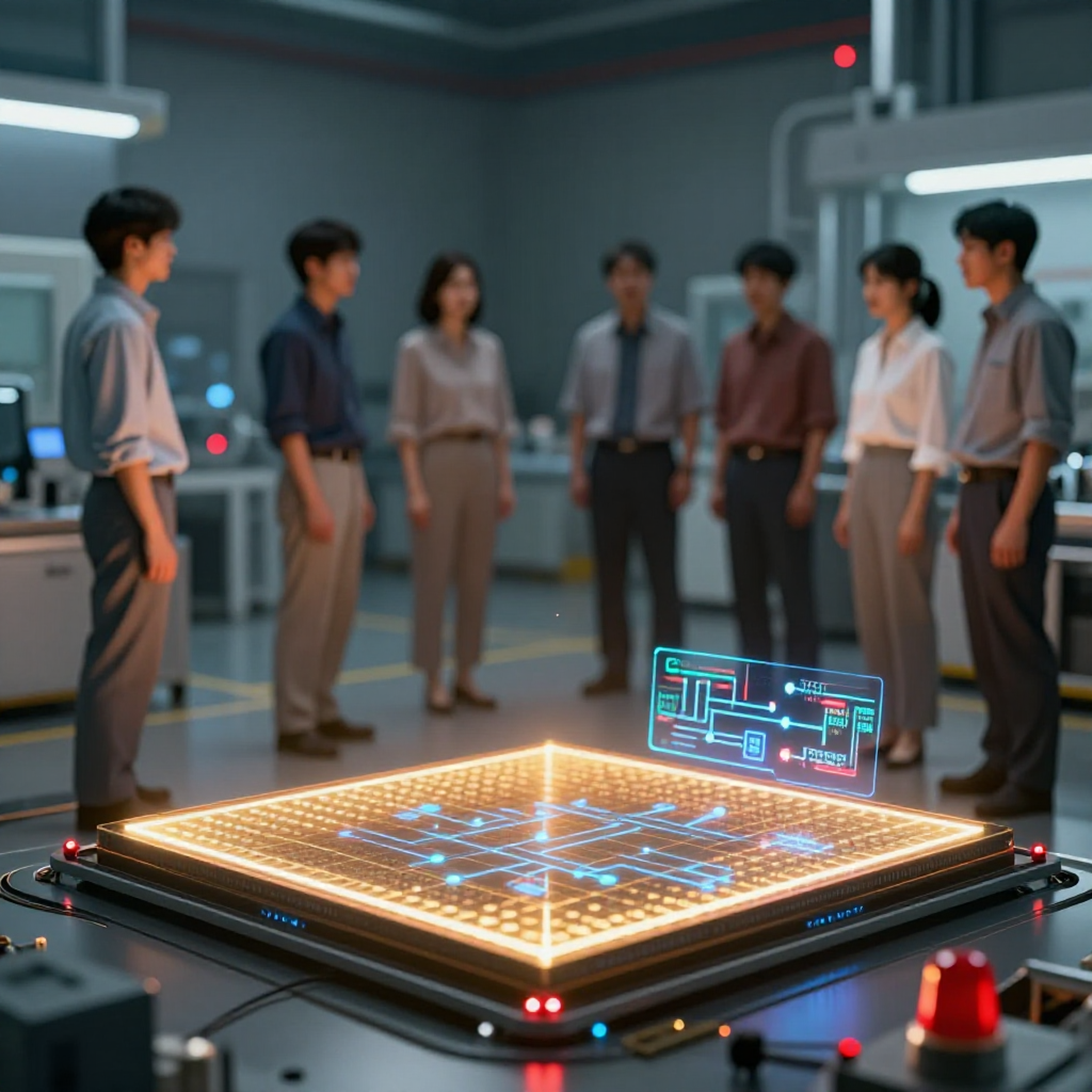
Because semiconductor manufacturing is a continuous process, even a few hours of downtime can deal a direct blow to yield and quality. It’s not uncommon for it to take several days to bring a cooled line back to normal operation.
The loss estimates from industry analysts and securities firms are by no means small:
- Daily revenue disruption: approximately 1 trillion won
- Cumulative loss if utilization drops 50%: up to 30 trillion won
- Estimated direct operating profit loss: approximately 10 trillion won
- Semiconductor share of South Korean exports: approximately 37%
Especially right now, we’re in a supercycle phase with surging AI memory demand. With HBM and high-capacity DRAM ramping into full-scale production, disruptions at the Pyeongtaek and Giheung lines could immediately cascade into delays in AI accelerator supply schedules for global Big Tech players like Nvidia, Google, and Microsoft.
Personally, I think HBM supply chain disruption is the most underestimated risk in this whole situation. Since Samsung and SK Hynix together hold roughly two-thirds of the global memory market, even one of them stumbling can cause market prices themselves to swing.
💡 Key point: A prolonged strike isn’t just one Korean company’s problem — it’s a variable for the entire global AI supply chain.
Samsung Electronics Stock Scenarios and Foreign Investor Flows
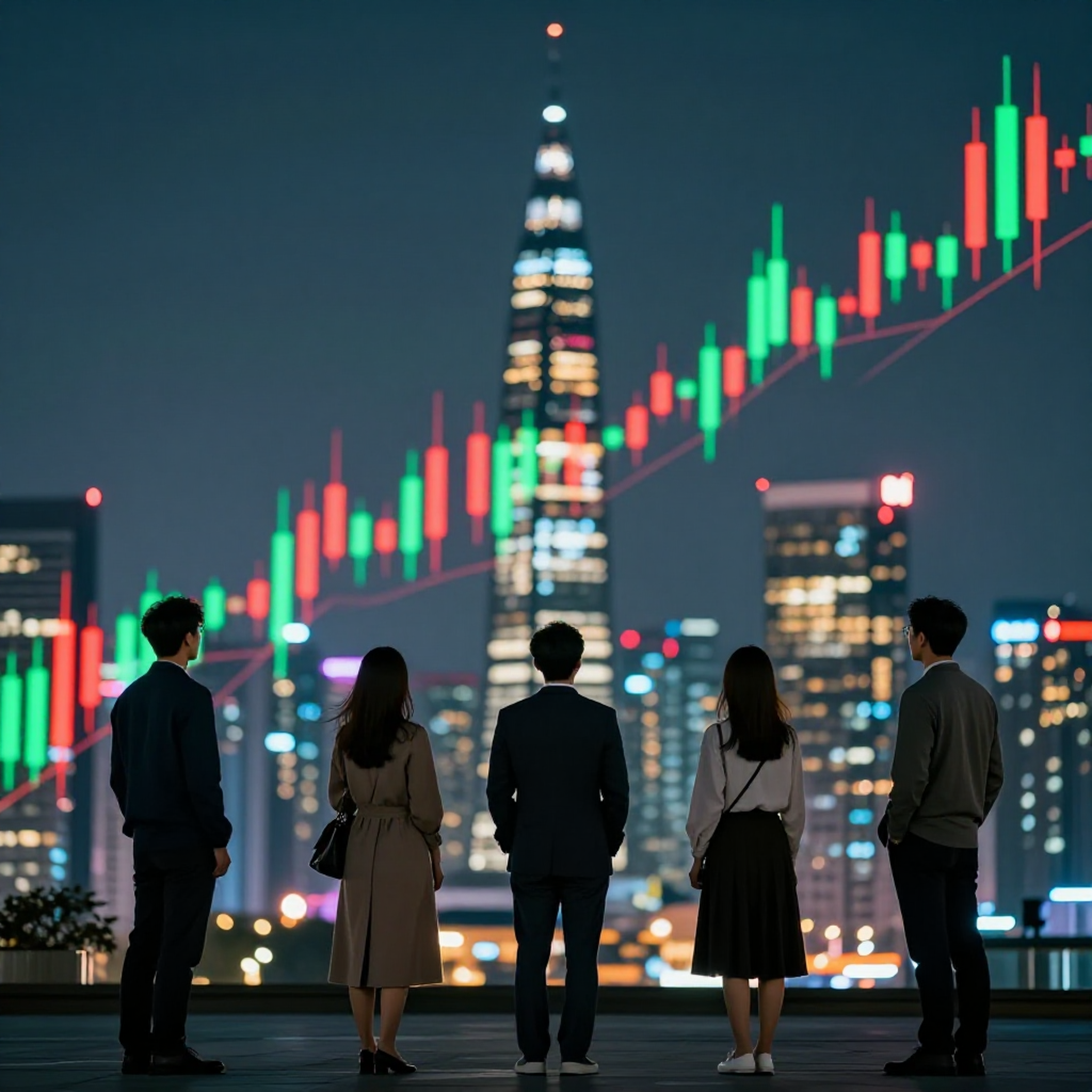
The stock has already shown major volatility. Right after the tentative agreement was announced on May 21, Samsung Electronics surged +8.51% to close at 299,500 won. It was the combined result of “negative news removal” and a “shift to foreign net buying.”
Going forward, the possible scenarios can be broken into three:
- Agreement passes (base case): Short-term momentum holds, potential for further upside attempts
- Vote fails → strike reignites (negative): Foreign investors flip to selling, short-term correction pressure widens
- Emergency arbitration is invoked (wildcard): Short-term sharp rebound followed by a trading range due to concerns about prolonged labor-management conflict
| Scenario | Stock Direction | Foreign Flow |
|---|---|---|
| Pass | Up | Net buying continues |
| Fail | Down | Flip to net selling |
| Emergency arbitration | Volatility ↑ | Mixed |
💡 Key point: The union ratification vote result is the first inflection point for the short-term stock price.
Supplier Ecosystem and Global Ripple Effects
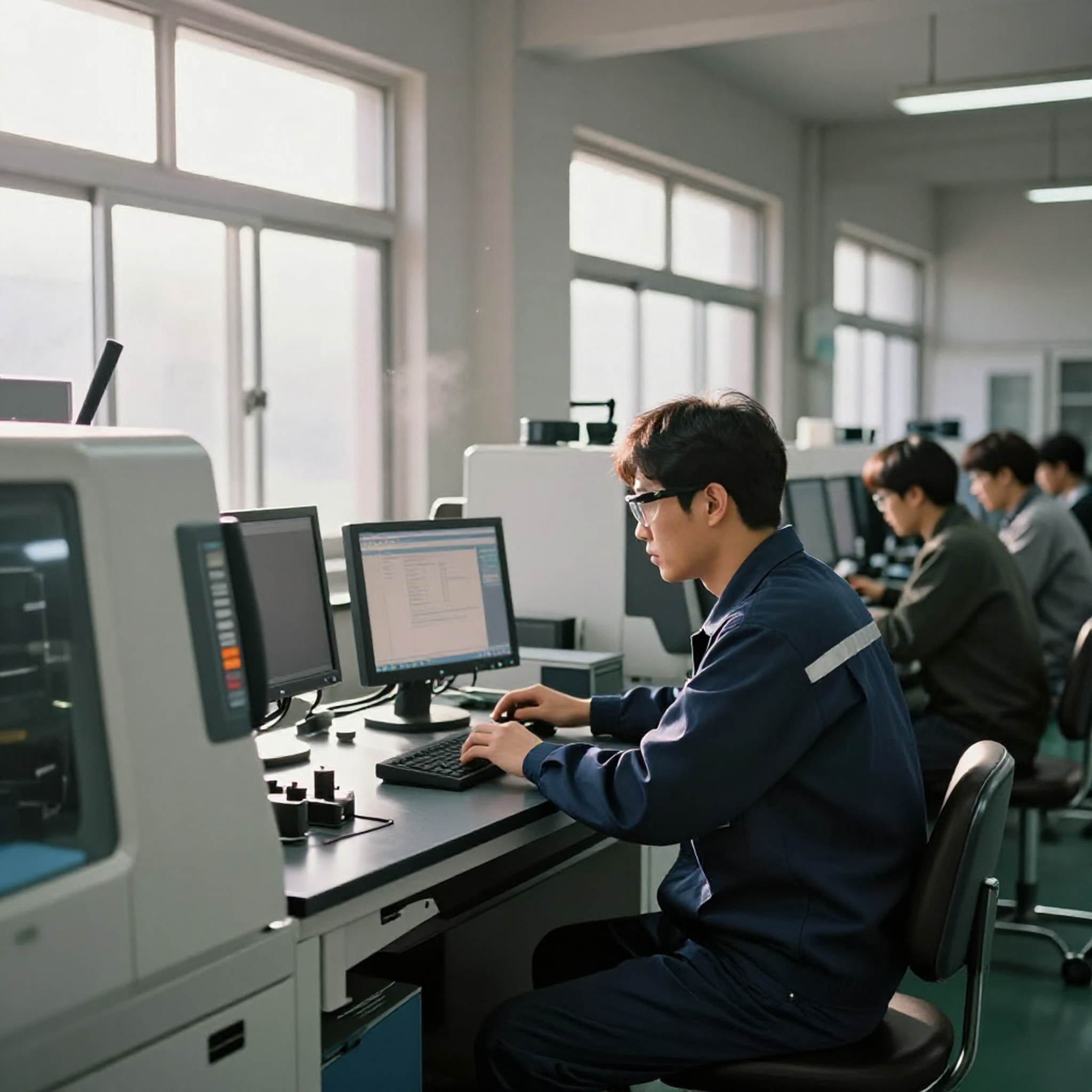
When Samsung Electronics alone comes to a halt, the shock cascades like dominoes: tier-1 suppliers → tier-2 suppliers → regional economies. Materials, parts, and equipment (MPE) firms clustered in Pyeongtaek, Hwaseong, Giheung, and Cheonan depend on Samsung for a substantial share of their revenue.
Areas where the impact is becoming visible include:
- Delayed orders for etching and deposition equipment
- Reduced shipments of materials like photoresist and CMP slurry
- Concurrent drops in utilization at back-end (OSAT) firms
- Decline in local commercial activity (cafeterias, commuter buses, dormitory supply chains)
The global view has shifted quickly too. Bloomberg, Reuters, and Nikkei have issued urgent reports on the strike, framing it as “a new risk for the global technology supply chain.” With AI and HBM demand exploding, major overseas customers and foreign governments are also keeping a close eye on Korea’s semiconductor supply situation.
💡 Key point: The real cost of the strike isn’t paid by Samsung alone — it’s paid jointly by thousands of suppliers and global customers.
Three Things Investors Need to Check Right Now

The safest way to avoid being whipsawed by news headlines is to track the variables themselves. Here’s the checklist I personally review every day:
- Union vote results (held 5/22–27): Both approval rate and rejection rate matter
- Foreign investor net buying flow: Whether daily flows are sustaining a buying bias
- HBM shipment guidance: Statements about supply schedule changes on the quarterly earnings conference call
💡 Key tip: Unless you’re day trading, you should weigh post-event quarterly earnings and HBM shipment volumes more heavily.
There are also some traps to watch out for. The simple formula “negative news removed = guaranteed rally” is dangerous. Because much of the short-term upside has already been priced in by the +8.5% surge on May 21, profit-taking pressure can emerge even if the vote passes.
💡 Key point: There are three variables — vote results, foreign investor flows, and HBM guidance. Tracking just these three is enough.
Closing — What This Episode Leaves Us With

The Samsung Electronics union strike isn’t just a labor-management dispute — it’s an event that simultaneously shakes Korean manufacturing’s compensation structure and global supply chain stability. Even with a tentative agreement in place, it’s hard to call this “over” until the union vote results come in.
To recap the key points covered today:
- The dispute is about restructuring the performance bonus system, not wages
- Potential losses of 1 trillion won per day, up to 30 trillion won cumulatively
- The May 22–27 union vote is the short-term inflection point
- HBM supply chain disruption could ripple all the way to the global AI industry
- Investors should track three variables: vote results + foreign flows + HBM shipments
If you currently hold Samsung Electronics stock or are considering buying in, look at the data, not the headlines. The union vote results will be released soon. Once you see them, I recommend reviewing your position based on your own investment horizon (short / mid / long term).
If this article was helpful, please bookmark and share it. In the next post, I’ll cover “The HBM4 Mass Production Roadmap and the Samsung vs. SK Market Share War.”
Sources
https://namu.wiki/w/2026%EB%85%84%20%EC%82%BC%EC%84%B1%EC%A0%84%EC%9E%90%20%EB%85%B8%EC%A1%B0%20%EC%B4%9D%ED%8C%8C%EC%97%85 https://www.mt.co.kr/stock/2026/05/21/2026052116065365651 https://www.fnnews.com/news/202605201819534363 https://imnews.imbc.com/replay/2026/nwdesk/article/6824378_37004.html https://www.dt.co.kr/article/12063772
Image sources: namu.wiki, mt.co.kr, fnnews.com, imnews.imbc.com, dt.co.kr
댓글